Potential Benefits of GHK-Cu Peptide Czech Republic: Overview
GHK-Cu, or glycyl-L-histidyl-L-lysine copper, is a naturally occurring copper-binding peptide found in human plasma, saliva and urine. Research suggests that this peptide plays an important role in tissue repair, collagen production, and skin regeneration. Studies also indicate that GHK-Cu levels decline with age, which has contributed to growing scientific interest in its regenerative potential.
Research further indicates that GHK-Cu may support wound healing, tissue remodeling, and extracellular matrix formation. It has also been studied for its ability to promote collagen and elastin production, which are essential for maintaining skin structure.
This article explores the potential benefits of GHK-Cu peptide, focusing on its research-supported effects on skin health, hair growth, and tissue repair.
Explore GHK-Cu Peptide from Direct Sarms, a copper-binding peptide studied for collagen production, skin regeneration, and tissue repair support.
What is GHK-Cu Peptide?

GHK-Cu peptide is a small, naturally occurring copper-binding tripeptide identified in human plasma, saliva and urine. Research indicates that this peptide functions as a signaling molecule involved in gene expression, tissue repair and cellular regeneration. Studies have shown that GHK-Cu may regulate multiple biological pathways associated with wound healing, collagen synthesis and extracellular matrix remodeling.
According to scientific findings, GHK-Cu levels decline with age. This reduction has been associated with slower healing responses, decreased skin elasticity, and reduced tissue repair capacity, which has contributed to growing research interest in its regenerative potential.
Potential Skin Benefits of GHK-Cu Peptide Czech Republic
1. Skin Regeneration
Research shows GHK-Cu promotes keratinocyte and fibroblast proliferation, supporting skin regeneration and repair. Gene expression studies also indicate that GHK-Cu modulates genes involved in tissue repair and remodeling.
2. Collagen Production
Studies demonstrate that GHK-Cu stimulates collagen, elastin and glycosaminoglycan synthesis. These components are essential for maintaining skin structure and density.
3. Skin Elasticity and Firmness
Clinical studies report improved skin elasticity, density, and firmness following topical GHK-Cu application, along with reduction in fine lines and photodamage.
4. Wound Healing and Tissue Repair
GHK-Cu promotes angiogenesis, fibroblast activity, and wound contraction, accelerating tissue repair and regeneration.
5. Regulation of Matrix Metalloproteinases (MMPs)
Research indicates GHK-Cu modulates metalloproteinase activity and extracellular matrix remodeling, supporting balanced tissue repair.
6. Anti-Inflammatory Properties
Studies show GHK-Cu exhibits anti-inflammatory effects and may reduce inflammatory responses in damaged skin.
7. Antioxidant Support
GHK-Cu demonstrates antioxidant activity and may help reduce oxidative stress associated with skin aging.
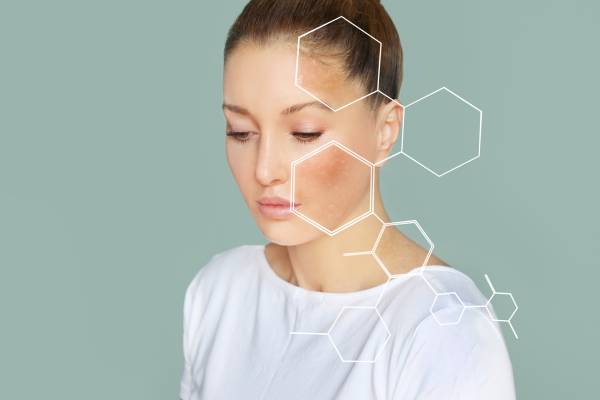
8. Pigmentation Support
Some studies suggest GHK-Cu may influence melanin related pathways and improve skin tone appearance.
9. Skin Barrier Support
GHK-Cu promotes protein synthesis and cellular repair, which may contribute to improved skin barrier integrity.
10. Reduction in Skin Roughness
Clinical observations report smoother skin texture and improved skin clarity following GHK-Cu use.
11. Scar Appearance Support
Studies on wound healing and acne scars suggest GHK-Cu may support scar remodeling and tissue regeneration.
Hair Growth and Follicle Health
1. Hair Follicle Stimulation
Research suggests that GHK-Cu promotes hair follicle growth by stimulating dermal papilla cells and increasing vascular endothelial growth factor (VEGF), which supports follicle development and hair growth. Studies also report increased hair thickness and follicle size following copper peptide exposure.
2. Effects on Mast Cells and Inflammation
GHK-Cu has been shown to modulate inflammatory responses and tissue remodeling processes. Reduced inflammation around hair follicles may support a favorable environment for follicle regeneration and growth.
3. Potential in Hair Care Applications
Preclinical and experimental studies suggest that topical copper peptides may promote hair regrowth, improve follicle health, and enhance scalp circulation. However, current evidence is primarily based on laboratory and early clinical research and large scale human studies remain limited.
GHK-Cu’s Role in Tissue Regeneration
1. Tissue Remodeling
Studies suggest that GHK-Cu facilitates tissue remodeling by promoting cellular repair and contributing to the synthesis of glycosaminoglycans. This process is vital for maintaining the structural integrity of skin and other tissues.
2. Impact on Liver and Other Tissues
Research has explored the impact of GHK-Cu on liver tissue, highlighting its potential in aiding tissue regeneration and repair. In the context of liver health, the peptide’s ability to regulate human genes and gene expression could pave the way for future research in this area.
3. Applications for COPD and Other Conditions
A COPD study involving those and a control group found benefits in using GHK-Cu for tissue repair and improved recovery mechanisms. While more research is needed, these findings suggest exciting possibilities for medical applications.
GHK-Cu and Immune Function
GHK-Cu is a naturally occurring copper-binding peptide studied for its role in immune regulation, wound healing, and tissue repair. Research indicates that GHK-Cu may modulate inflammatory responses and support immune cell activity during healing processes.
Czech Republic Studies in eukaryotic systems suggest that GHK-Cu promotes tissue repair and regulates immune responses at injury sites. It has also been associated with gene expression linked to inflammation control and regenerative pathways.
Although further research is required, GHK-Cu continues to be investigated for its potential role in immune modulation, tissue repair, and regenerative research applications.
GHK-Cu in Cosmetic Products
1. Topical Application
GHK-Cu is commonly used in topical formulations such as creams, serums, and eye products. Research indicates that topical GHK-Cu supports skin remodeling, collagen synthesis, and wound repair, which has led to its widespread use in cosmetic formulations.
2. Anti-Aging Properties
Studies show that GHK-Cu stimulates collagen, elastin, and glycosaminoglycan synthesis, which are associated with improved skin firmness, elasticity, and reduced wrinkle appearance. These effects have positioned GHK-Cu as a commonly studied anti-aging cosmetic peptide.
3. Combination with Other Active Ingredients
Research indicates that copper tripeptide may influence growth factor activity and extracellular matrix remodeling. Studies evaluating copper tripeptide with retinoic acid demonstrated changes in fibroblast growth factor signaling, suggesting potential complementary effects in skin repair formulations.
GHK-Cu continues to be studied for its role in cosmetic formulations targeting skin regeneration, structural support, and aging-related skin changes.
Gene Expression and GHK-Cu
1. Impact on Human Genes
Recent studies have shed light on the new gene data associated with GHK-Cu, revealing its role in the regulation of gene expression. This regulation supports processes like embryonic development, tissue regeneration, and iron metabolism.
2. Potential in Disease Research
Research into metastatic colon cancer and other conditions has suggested that GHK-Cu might influence cellular behavior in ways that merit further exploration. While these findings are preliminary, they open the door for future studies on the peptide’s broader applications.
Shop Peptide Supplies from Direct Sarms for all your reconstitution requirements.
Safety and Side Effects of GHK-Cu
1. Safety Profile
Research indicates that GHK-Cu is generally well tolerated in topical formulations. Studies evaluating copper peptides report low irritation potential and favorable skin compatibility. Mild irritation has been reported in some cases, particularly at higher concentrations.
2. Need for Further Research
Although studies support the regenerative and skin-related properties of GHK-Cu, long-term safety and efficacy data remain limited. Additional research is required to better understand long-term effects, optimal concentrations, and broader research applications.
Are there any studies supporting the anti-aging properties of GHK-Cu peptide?
Research suggests that GHK-Cu may support anti-aging processes through collagen stimulation, tissue repair, and antioxidant activity. Studies report that GHK-Cu promotes collagen, elastin, and glycosaminoglycan synthesis, which are associated with improved skin firmness and reduced wrinkle appearance. GHK-Cu has also been shown to support fibroblast activity and extracellular matrix remodeling, both linked to improved skin structure.
Clinical and laboratory research also indicates that GHK-Cu demonstrates antioxidant and anti-inflammatory activity, which may help reduce oxidative stress associated with aging. Gene expression studies further show that GHK-Cu regulates multiple repair-related pathways involved in tissue regeneration and skin renewal.
Controlled studies have additionally reported improvements in skin quality, collagen production, and wrinkle reduction following topical GHK-Cu use, although sample sizes remain limited. Further research is required to confirm long term anti aging outcomes and broader applications.
Discover GHK-Cu and TB500 from Direct Sarms, a peptide stack researched for tissue recovery, collagen support, and regenerative healing processes.
Peptide Combinations in Anti-Aging Research
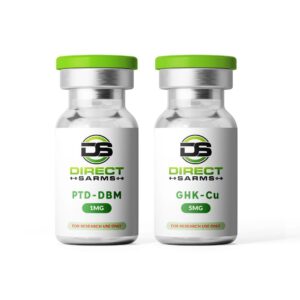
GHK-Cu and PTD-DBM
GHK-Cu is studied for collagen synthesis and tissue repair, while PTD-DBM is investigated for cellular signaling and regenerative pathways. Research exploring combined peptide approaches focuses on potential complementary effects in tissue repair and anti-aging applications. Evidence remains limited and largely preclinical.
GHK-Cu and TB500
GHK-Cu is associated with collagen production and skin remodeling, while TB500 is studied for cell migration, angiogenesis, and tissue repair. Research examining combined use focuses on recovery and regenerative processes. Additional studies are required to establish long-term effectiveness and safety.
Explore GHK-Cu and PTD-DBM from Direct Sarms, a peptide combination studied for cellular repair, regeneration, and anti-aging research applications.
Conclusion
GHK-Cu has been widely studied for its potential role in skin health, hair research, and tissue repair. Research indicates that this copper-binding peptide influences multiple biological pathways involved in regeneration, inflammation regulation, and cellular remodeling, contributing to its growing interest in cosmetic and biomedical research.
Studies also suggest potential applications in wound healing, follicle support, and overall tissue recovery. Gene expression research further highlights its involvement in repair-related biological processes, supporting continued investigation in regenerative science.
While current findings are promising, most evidence remains limited to controlled and preclinical studies. Additional research is required to better understand long-term safety, mechanisms of action, and broader research applications.
Discover the range of GHK-CU peptides from Direct SARMs online today!
References:
(1) Dou Y, Lee A, Zhu L, Morton J, Ladiges W. The potential of GHK as an anti-aging peptide. Aging Pathobiol Ther. 2020 Mar 27;2(1):58-61.
(2) Pickart L, Vasquez-Soltero JM, Margolina A. The human tripeptide GHK-Cu in prevention of oxidative stress and degenerative conditions of aging: implications for cognitive health. Oxid Med Cell Longev. 2012;2012:324832.
(3) Pickart L, Margolina A. Regenerative and Protective Actions of the GHK-Cu Peptide in the Light of the New Gene Data. Int J Mol Sci. 2018 Jul 7;19(7):1987.
Frequently Asked Questions
Are the benefits of GHK-Cu peptide effective for crepey skin?
The benefits of GHK-Cu peptide support crepey skin by strengthening skin structure. Research shows GHK-Cu increases collagen, elastin and glycosaminoglycan production which helps improve skin thickness and firmness. These effects target the underlying weakness seen in crepey skin rather than providing temporary surface tightening.
Can the benefits of GHK-Cu peptide help repair sun-damaged skin?
The benefits of GHK-Cu peptide help repair sun-damaged skin by supporting collagen renewal and reducing oxidative damage. Studies show GHK-Cu activates tissue repair pathways disrupted by UV exposure. This process helps restore skin elasticity, improve texture, and support recovery from long-term photodamage.
Are the benefits of GHK-Cu peptide effective for scalp inflammation?
The benefits of GHK-Cu peptide help control scalp inflammation by regulating inflammatory signaling and supporting tissue repair. Research shows GHK-Cu reduces inflammatory activity in skin cells and supports balanced healing. These effects may help maintain a healthier scalp environment that supports normal follicle and tissue function.
Why do the benefits of GHK-Cu peptide decline with age?
The benefits of GHK-Cu peptide decline with age because natural GHK levels drop significantly over time. Lower peptide availability reduces collagen production, tissue repair signaling and gene regulation. This decline leads to slower healing, weaker skin structure and reduced regenerative capacity in aging tissue.
Are the benefits of GHK-Cu peptide linked to extracellular matrix repair?
The benefits of GHK-Cu peptide directly support extracellular matrix repair. Research shows GHK-Cu increases collagen, elastin and glycosaminoglycan synthesis while regulating matrix-degrading enzymes. These actions help maintain extracellular matrix strength support tissue remodeling, and preserve structural integrity during aging and repair.
ALL CONTENT AND PRODUCT INFORMATION AVAILABLE ON THIS WEBSITE IS FOR EDUCATIONAL PURPOSES ONLY.
DISCLAIMER: These products are intended solely as a research chemical only. This classification allows for their use only for research development and laboratory studies. The information available on our Direct Sarms website is provided for educational purposes only. These products are not for human or animal use or consumption in any manner. Handling of these products should be limited to suitably qualified professionals. They are not to be classified as a drug, food, cosmetic, or medicinal product and must not be mislabelled or used as such.
-
NEWPTD-DBM and GHK-Cu Peptide Stack
$44.05Original price was: $44.05.$39.65Current price is: $39.65. Read more -

GHK-Cu Peptide Capsules 2mg
$79.16 Add to cart -
Sale!
GHK-Cu Pre Mixed Peptide
$21.98 – $238.38Price range: $21.98 through $238.38 Select options This product has multiple variants. The options may be chosen on the product page -
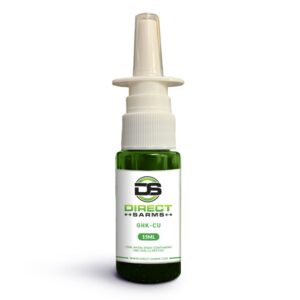
GHK-Cu Nasal Spray
$28.75 – $51.24Price range: $28.75 through $51.24 Select options This product has multiple variants. The options may be chosen on the product page